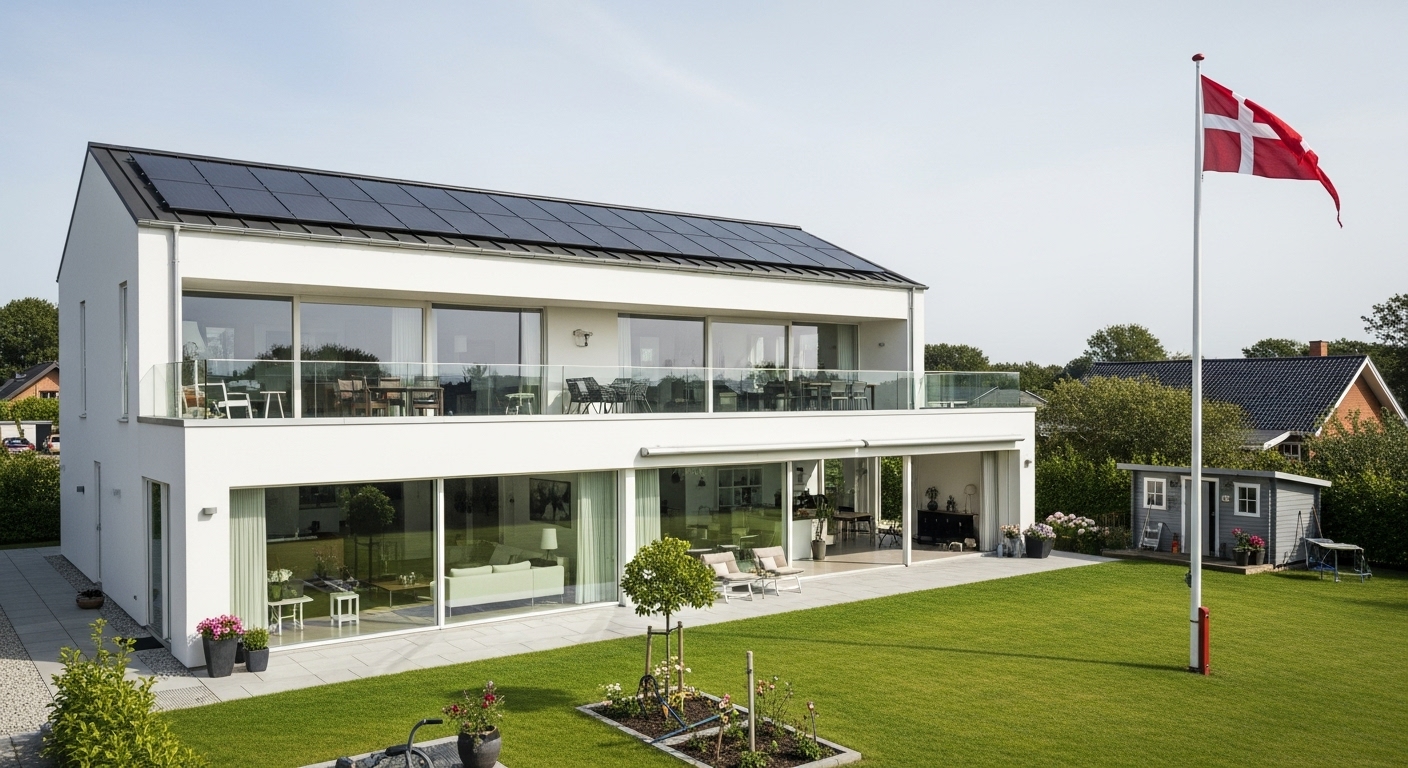
How do solar panels contribute to the green transition
How do solar panels contribute to the green transition?
Solar panels are one of the most direct and measurable ways you as a private individual can reduce your climate footprint. An average 10 kWp system produces approx. 10,000–12,000 kWh per year. If you had otherwise used electricity from the regular grid (which is still partly fossil-based), this corresponds to a CO₂ saving of approx. 2 tons per year. But more importantly: Solar panels relieve the electricity grid locally and make us less dependent on central power plants. This means less need for coal, gas, and imports – and more stability in the entire energy system.
What is expected to happen to electricity prices in the future?
The pure electricity price (spot price) will fluctuate – but the total electricity bill will likely increase. This is mainly due to: Increased investments in the electricity grid (which must be paid via tariffs) More electric cars and heat pumps, which increase consumption Green transition, which requires more flexibility in the entire system With solar panels, you can partially decouple yourself from this development. The larger the part of your consumption you cover yourself, the less vulnerable you are to price increases.
Will you be able to trade your electricity in the future?
Yes – and we are already well underway. Many grid operators and platforms (including via grid balancing) are working on enabling you as a homeowner in the future to: Sell electricity flexibly (hour by hour, depending on the market) Provide balancing services (e.g., from your battery or electric car) Participate in local energy communities This makes solar panels even more valuable – especially when combined with a battery and intelligent control. EcoRay closely follows the market and advises you continuously, so you benefit from the new opportunities.
What is the difference between gross and net self-consumption?
This is an important difference that has a significant impact on the economics of your solar panel system. Net self-consumption is the electricity you produce and use immediately – without sending it out to the grid. Gross self-consumption also includes the electricity you sell and later buy back, e.g., at night. The most valuable is net self-consumption – because you save the entire electricity price (typically DKK 2.50/kWh). When you sell electricity, you typically get DKK 0.75–1.25/kWh and have to buy it back for DKK 2.50 later. The higher the net self-consumption, the shorter the payback period. Therefore, batteries, heat pumps, and intelligent control are valuable – they shift your consumption to when the sun is shining.
What does the future electricity market look like for private homeowners?
We are moving towards a market where homeowners have more responsibility – and more opportunities. With digital metering, hourly billing, and new platforms, you will soon be able to: Trade electricity actively (e.g., sell when the price is high) Charge your electric car and battery when electricity is cheap Participate in communities that trade collectively Balance the grid and get paid for it To be able to utilize this, it requires technologies such as solar panels, batteries, and hybrid inverters – but also the right advice. And that is precisely what EcoRay is here for.
Why are more and more Danes choosing solar panels today?
Because it is a unique combination of: Economic return (15–20% per year) Climate impact (approx. 2 tons CO₂/year) Independence and control Value to the home Future-proofing