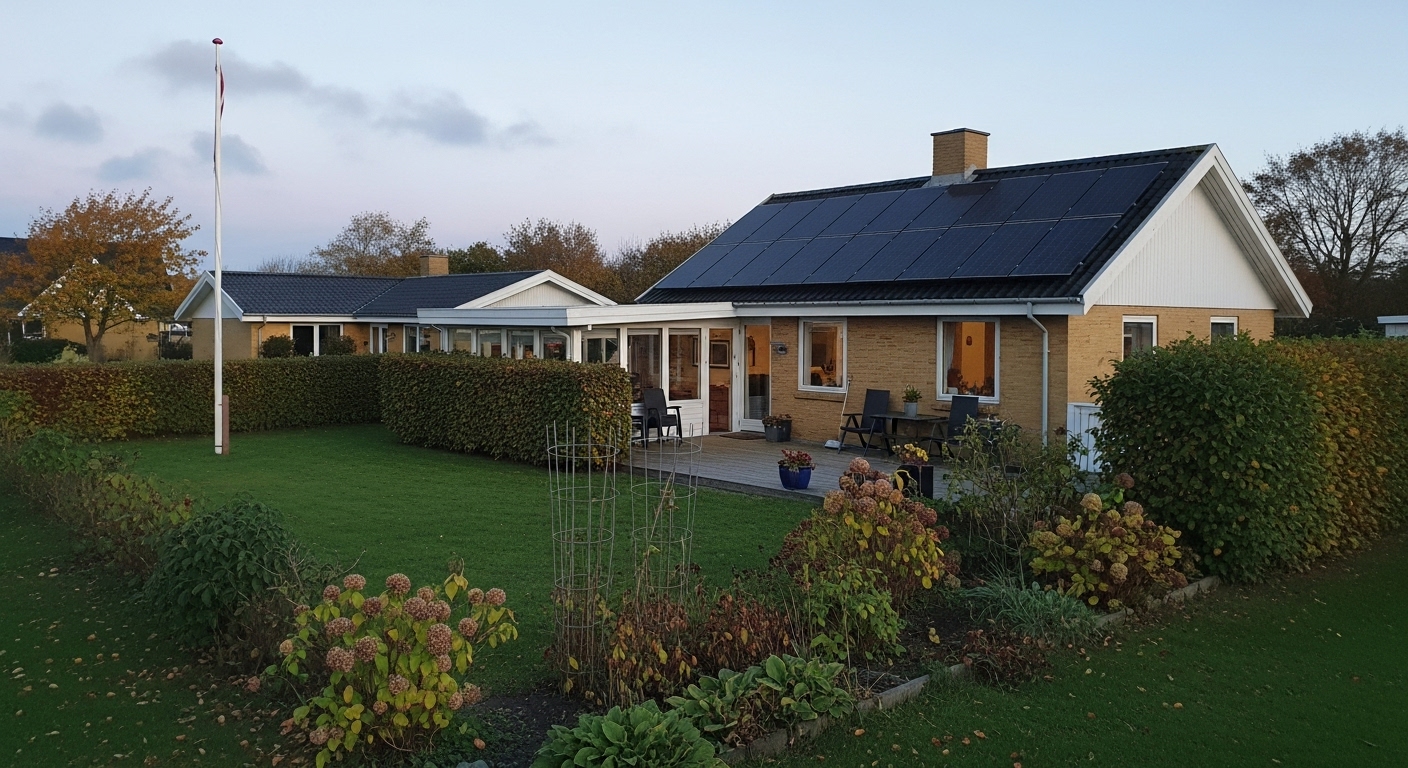
How do solar panels work?
How do Solar Panels convert sunlight into electricity?
Solar panels, also known as photovoltaic panels, convert sunlight into electricity using advanced solar cells. When the sun’s rays strike these cells, they generate an electric current that can be used directly in the home or fed back into the power grid. Today’s solar panels are far more efficient, meaning they can produce energy even during cloudy weather and in the winter months.
How Does Sunlight Affect Production?
The amount of sunlight and the angle of the sun have a direct impact on how much energy the panels can generate. Modern panels are designed to utilize light optimally, providing higher efficiency compared to earlier generations. Even partial shading from trees or buildings can be managed more effectively with new technology that minimizes energy loss.
Integration With the Home
The electricity produced can be used directly to power your household, reducing the need to purchase electricity from the grid. Excess electricity can be stored in batteries or sold back to the grid, providing both financial and environmental benefits. Intelligent control systems ensure that every kilowatt-hour is optimized, maximizing the return on your investment.
Economic and Environmental Benefits
Investing in solar panels does not only lead to lower electricity bills. You also actively contribute to the green transition by reducing CO₂ emissions. At the same time, the installation increases property value and ensures access to power even during grid outages, especially when paired with battery storage.
Future-Proofing Your Home
Solar panels are a long-term investment. With continuous improvements in technology and energy management, systems become more efficient over time. By choosing a system tailored to your specific needs, you can enjoy financial savings and environmental benefits for many years.
Conclusion
Solar panels combine advanced technology, financial savings, and sustainability. They enable you to produce your own electricity, reduce dependence on the power grid, and actively support the green transition. With proper planning and intelligent management, you can maximize your return and enjoy the benefits from day one.