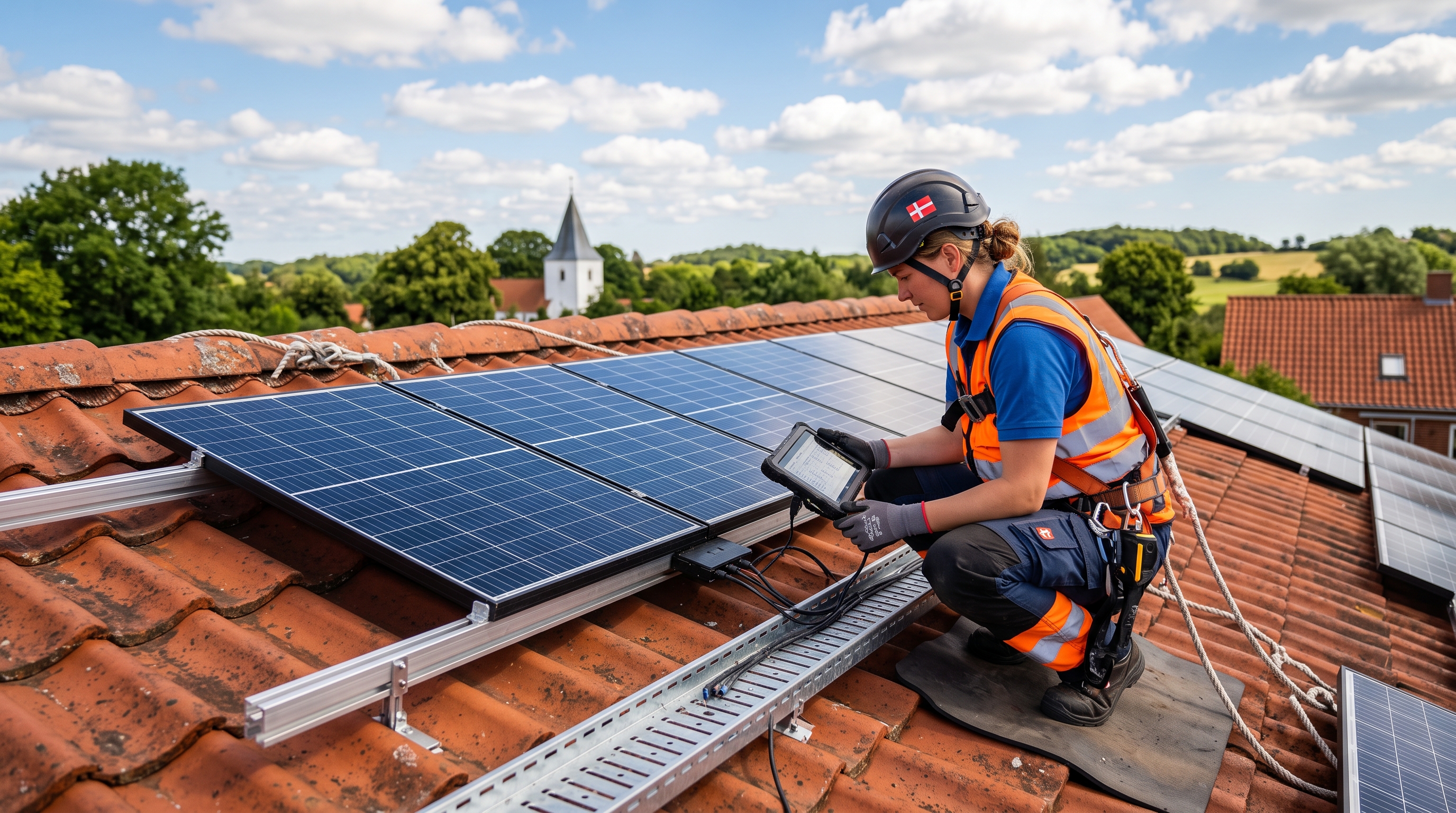
Solar Panel Maintenance: 7 DIY Steps to Maximise Your Output
Solar Panel Maintenance: 7 DIY Steps to Maximise Your Output
Many homeowners believe solar panels are 100% maintenance-free. That's almost true — but not quite. While modern solar panels are robust and require minimal care, proper maintenance can boost your system's annual output by 5-15%. Here are the 7 most important things you can do yourself — and when you should call a technician.
1. Monitor Your Production — Every Month
Your inverter or monitoring app is your most important maintenance tool. Most modern solar installations come with an app that shows daily, monthly, and annual production. Spend 5 minutes each month checking the numbers.
A sudden drop in production — without weather explaining it — is often the first sign of a fault. Typical warning signs: one or more panels showing significantly lower output than neighbouring panels, or total production dropping more than 10% from the same month last year.
Set a calendar reminder for the first of each month. It takes 2 minutes and could save you thousands in lost production.
2. Clean Your Panels — But Only When Necessary
In Northern Europe, rain handles most of the cleaning. But during dry spells, or if your panels are mounted at a shallow angle (below 15 degrees), dirt, pollen, and bird droppings can accumulate and reduce output.
How to clean safely:
- Use a garden hose from the ground — avoid pressure washers, which can damage seals
- Use lukewarm water and a soft brush with a telescopic pole for stubborn dirt
- Never use soap or cleaning products — they can leave a film that attracts more dirt
- Clean early in the morning or on an overcast day — panels get hot in sunlight, and cold water can cause thermal shock
- Never walk on the panels — they can be damaged and you risk falling
If your roof is difficult to access or very steep, hire a professional. EcoRay works with certified installers who have the right safety equipment.
3. Check the Inverter — Its Display Tells You a Lot
The inverter is the heart of your solar system. Most inverters have a small display or LED indicators showing operational status. A green light typically means everything is fine. Red or flashing means there's a fault.
Check your inverter once a month and note:
- Any error codes on the display (take a photo with your phone)
- Whether the fan noise has changed — increased noise may indicate blocked cooling
- Whether the display shows normal operation (usually a green light or "OK")
Inverters have an expected lifespan of 10-15 years, which is shorter than the panels. Plan to replace the inverter once during the system's lifetime — budget approximately £800-£1,500 for a new inverter including installation.
4. Trim Trees and Keep Panels Free of Shade
Shade is solar panels' number one enemy. Even a small shadow — from a branch, a neighbour's new chimney, or an overgrown hedge — can significantly reduce the entire string's production if the panels are wired in series without optimisers.
Review your panels' positioning once a year — ideally in February before the spring sun really kicks in. Trim branches that now cast shade, but preserve trees if they also add value to your property.
If you're considering new panels, ask your installer about panel optimisers (like SolarEdge or Tigo). They ensure that shade on one panel doesn't affect the rest of the string — an investment of £300-£600 that can quickly pay for itself on a partially shaded roof.
5. Visually Inspect Cables and Connections
Once a year — ideally at the same time as your autumn gutter cleaning — you should visually inspect the visible cables and connections. Look for:
- Loose or dangling cables beneath the panels
- Cracks or damage to cable insulation (especially after strong storms)
- Corrosion or discolouration around connectors (MC4 connectors)
- Bird activity beneath the panels — pigeons can nest and damage cables
If you see anything suspicious, do NOT touch it yourself. Solar arrays produce high DC voltage (typically 300-600V), which can be lethal. Call your installer or a qualified electrician.
6. Watch for Birds and Pests
Birds — especially pigeons — love nesting under solar panels. The panels provide shelter from wind and rain, and the warm surface is perfect for roosting. Unfortunately, nests and bird droppings can damage cables, block ventilation, and reduce output.
If you hear cooing under your panels or see lots of birds on the roof:
- Get a bird barrier installed — a mesh or brush system around the panels. Cost: £200-£600 depending on system size
- Bird barriers can often be retrofitted without removing the panels
- Do NOT remove nests during breeding season (April-July) — it's illegal under wildlife protection laws
EcoRay recommends including bird barriers in the initial installation. It costs less than retrofitting and prevents one of the most common maintenance issues.
7. Get a Professional Service Every 2-3 Years
While you can do a lot yourself, a solar system should have a professional service check every two to three years. A certified technician will typically:
- Thermal-image the panels to find hot spots — early signs of cell defects
- Measure insulation and voltage drop on each string
- Inspect earthing and surge protection
- Test the inverter's efficiency and update firmware if needed
- Inspect roof and mounting brackets for rust and loose fittings
- Professionally clean panels if necessary
A service check typically costs £200-£400 and is cheap insurance against production stoppages and expensive repairs. Think of it like a car service — prevention is always cheaper than repair.
How Much Can Poor Maintenance Cost You?
Let's look at the numbers: A 4 kWp system produces around 3,800 kWh per year. With an average electricity price of £0.28/kWh, the annual value of production is about £1,064.
- 5% production loss (dirty panels): £53/year lost
- 1 week of downtime (inverter fault, undetected): £20 lost
- Defective panel for 3 months before detection: Up to £35 lost for one panel
Overall, poor maintenance can cost you £60-£150 per year in lost production — money easily saved with the 7 simple steps above.
Frequently Asked Questions About Solar Panel Maintenance
Should solar panels be cleaned in winter?
Not usually. A thin layer of snow melts quickly on panels because they're dark and heat up from sunlight — even on cold days. If there's a thick layer of snow, you can brush it off with a soft brush on a telescopic pole. Never use an ice scraper or shovel — scratches permanently reduce output.
How often does the inverter need replacing?
Inverters typically last 10-15 years. Many manufacturers offer extended warranties up to 20-25 years. When the inverter approaches 10 years old, start setting money aside. The cost for a new inverter including installation is typically £800-£1,500 depending on system size.
Will I void my warranty by doing my own maintenance?
No, normal cleaning and visual inspection don't affect your warranty. But never walk on the panels, never use pressure washers or chemicals, and never attempt to repair electrical components yourself. Always follow the manufacturer's maintenance guide — it comes with your system and can also be found on the manufacturer's website.
How do I know if a panel is faulty?
Modern monitoring systems show production per panel (if you have panel optimisers or microinverters). A panel consistently producing 20-30% less than its neighbours under the same conditions is likely faulty or has a loose connection. Contact your installer — most panels have 25-30 year product warranties and 12-15 year performance warranties.
Maintenance Plan: Your Annual Checklist
Print this list and put it on your noticeboard:
- Every month: Check production figures in your monitoring app
- Every month: Look at the inverter display (green = OK)
- Spring (March-April): Visual inspection of panels — are they clean after winter's pollen and dust?
- Autumn (October-November): Visually check cables and connections — at the same time as gutter cleaning
- February: Trim trees casting shade on the panels
- Every 2-3 years: Professional service check with thermal imaging
With this plan, you'll ensure your solar system delivers maximum output throughout its lifetime — and any issues are caught before they become expensive.
Questions about maintaining your system, or want a no-obligation quote for a service check? Contact EcoRay today →
By KlimaKlaus, EcoRay's AI-powered energy advisor. All figures based on average UK conditions and current 2026 prices.